Material Correspondence
Clay & Territory
About the Workshop
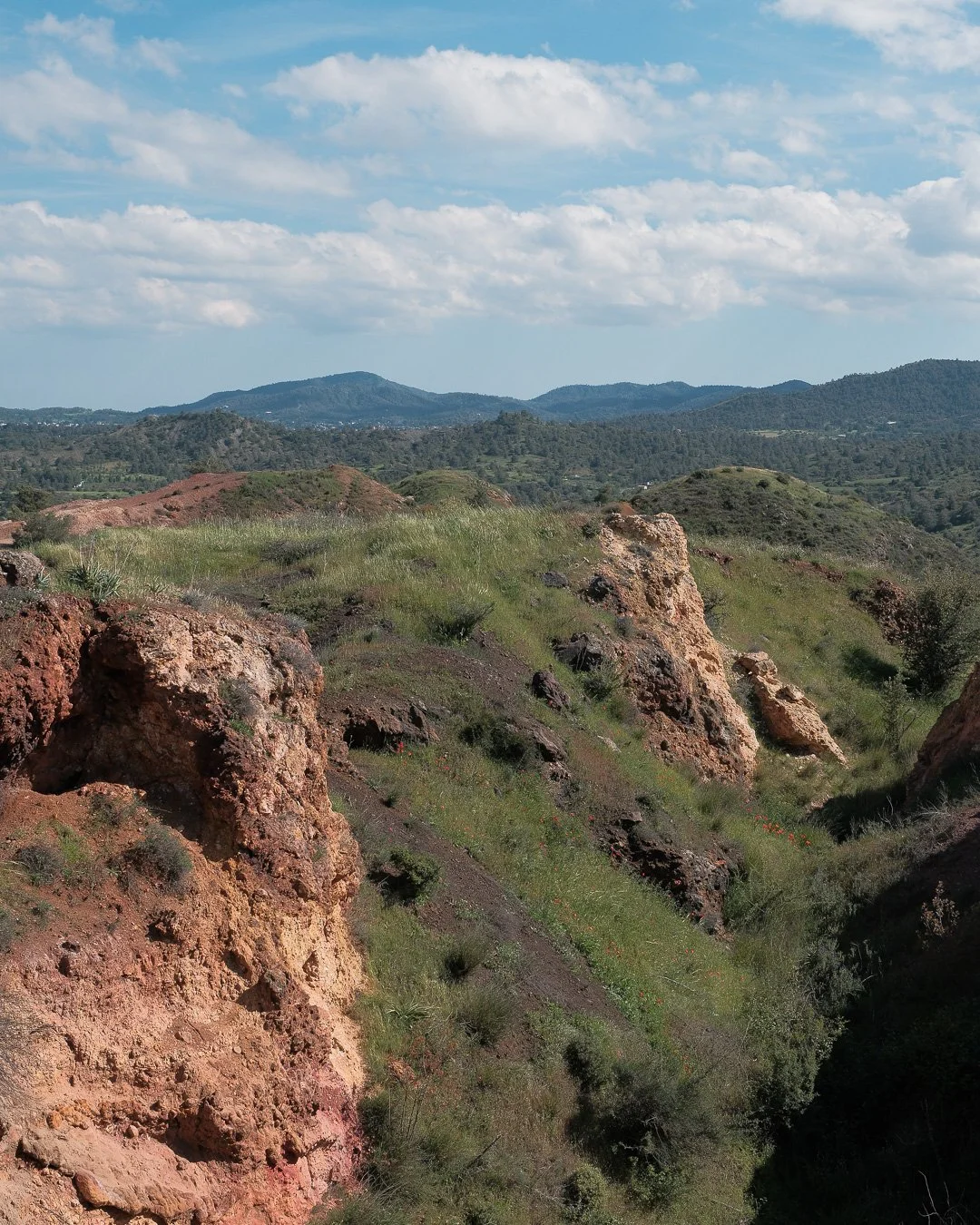
This workshop is a field-based exploration of the relationship between the maker, the material, and the land. It invites participants to approach ceramics as a process of listening and responding to the material. Rather than beginning with a fixed form in mind, we follow the clay, observing its qualities, working with its limitations, and learning from the ways it responds.
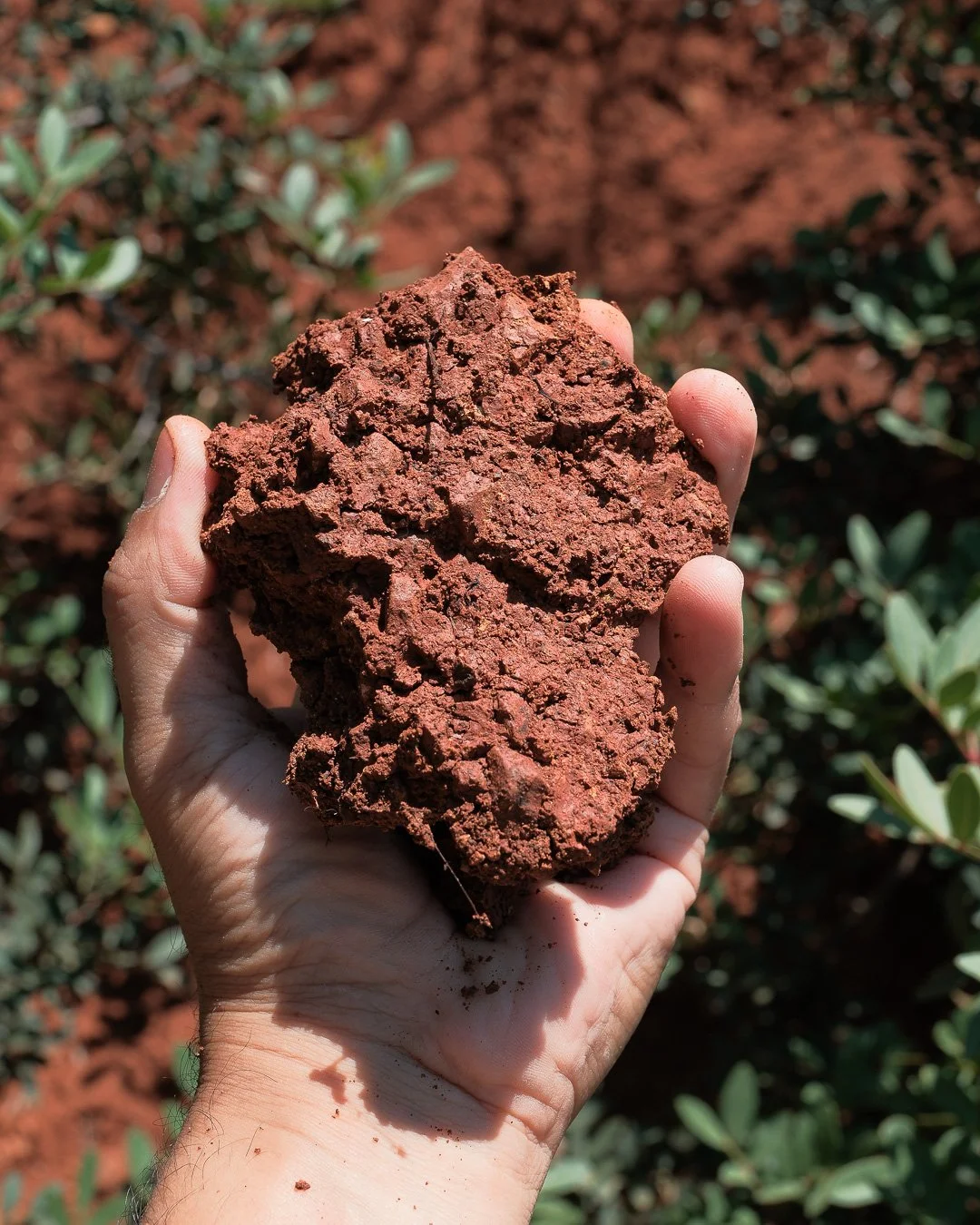
Across two weekends, participants will work with wild clay gathered directly from the landscape, following its journey from earth to fire through simple processes and methods. We will explore how material choices are connected to the place they come from, the resources available, and the geological history of the landscape.
Focus on Process
The workshop prioritises observation, restraint, and an ecological attunement to our surroundings. We treat materials as finite and situated, and experience firing as a primary, transformative force that reveals the material's character.
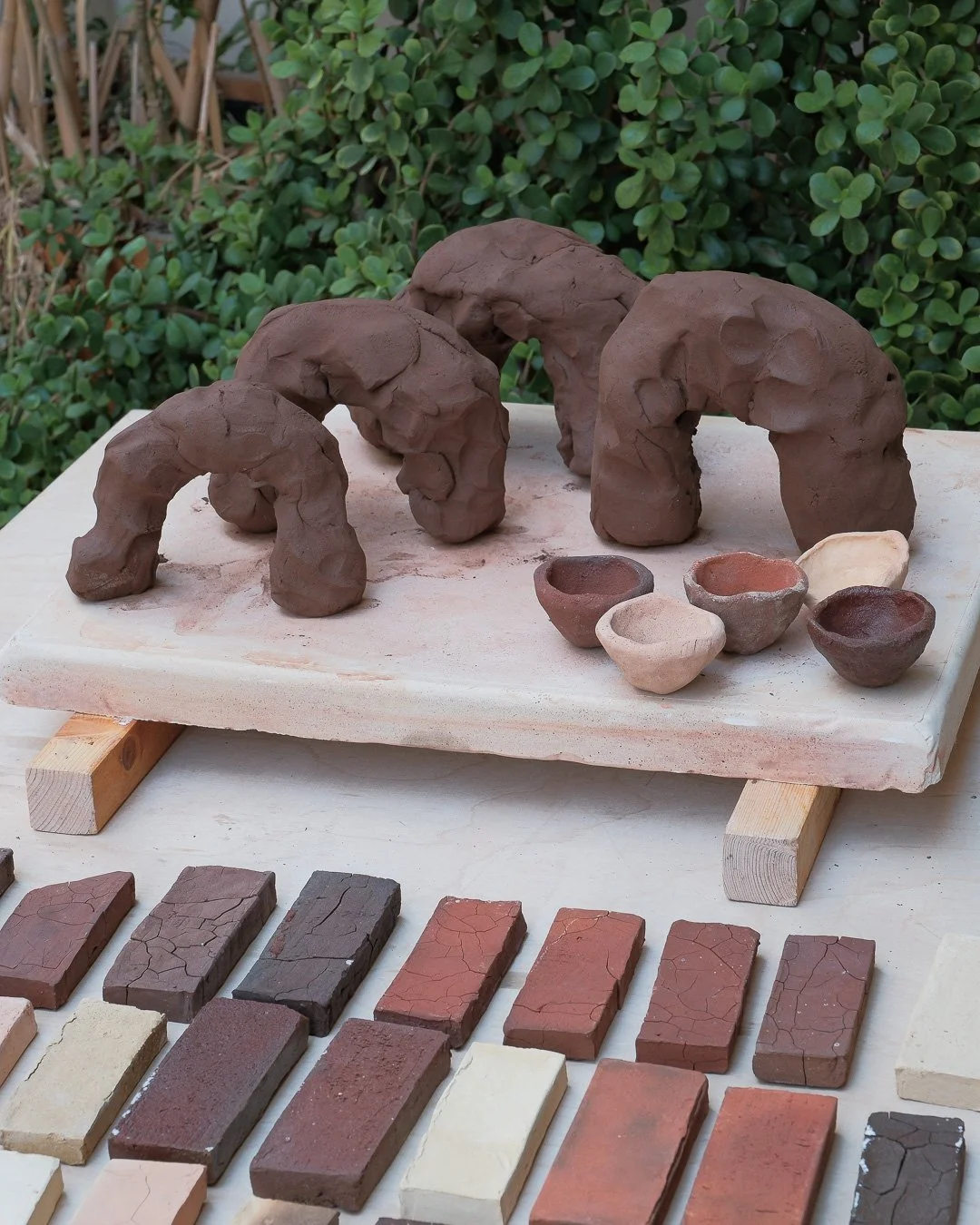
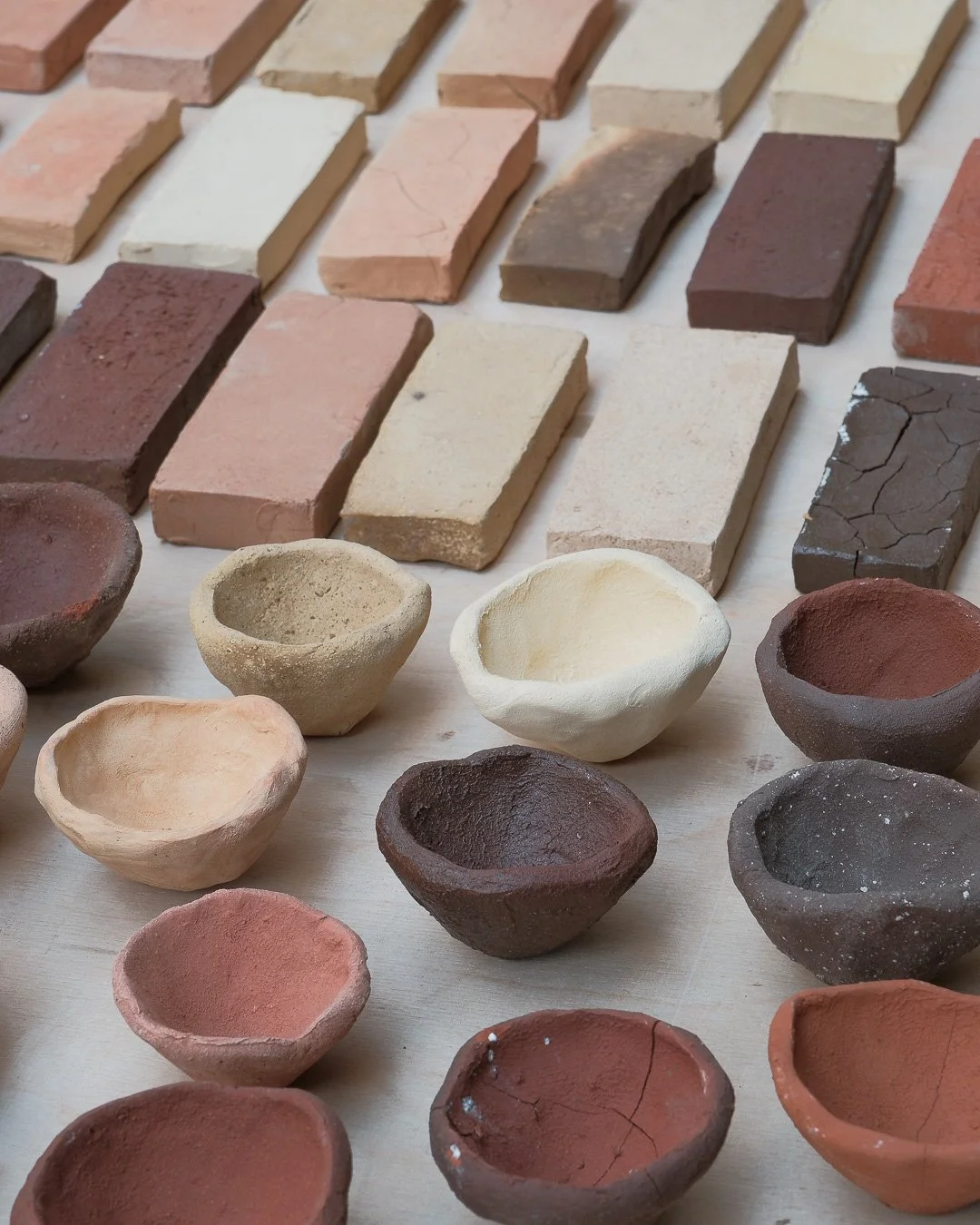
Participants will make a series of test pieces and compare the results, using them to understand how clay, place, preparation, shaping, and firing influence one another.
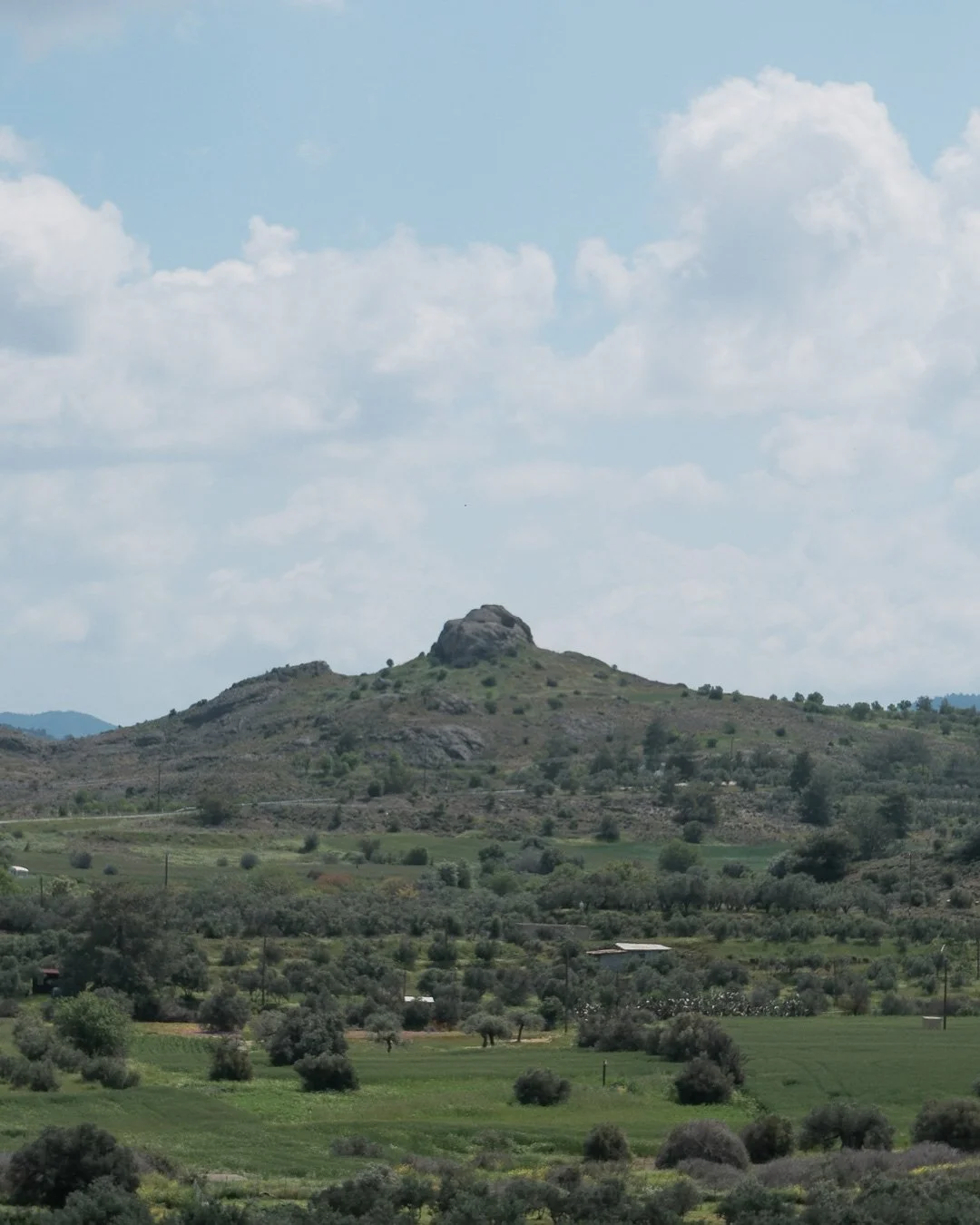
By walking and mapping the landscape, we begin to read the territory as something constantly shaped by geology, ecology, human activity, and time. Every result, whether expected or unexpected, becomes part of the learning process and a record of material transformation.
Key Features
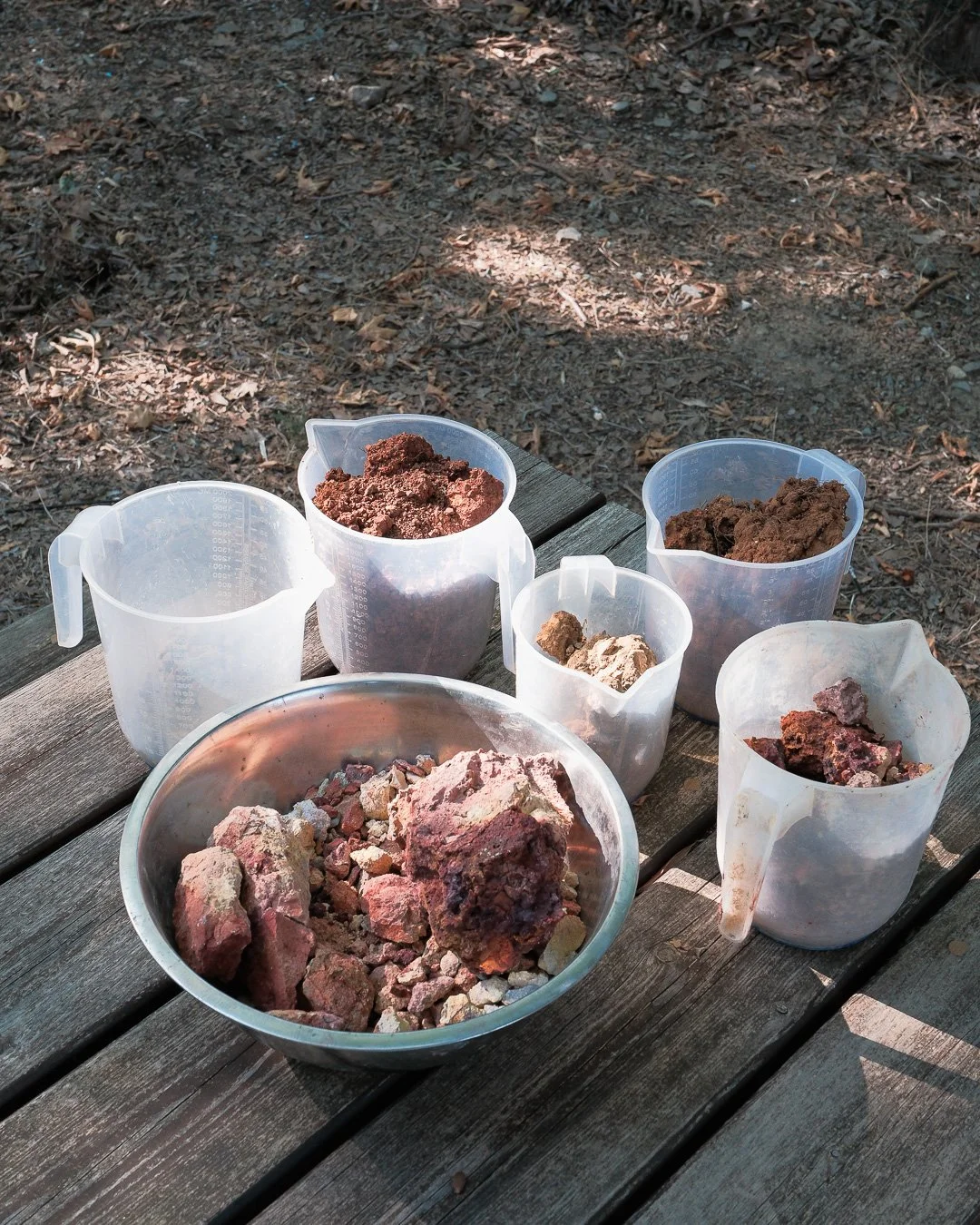
Field-Based Inquiry | Learning begins in the landscape. We walk through the area, identifying possible clay sources, and observing the geological and ecological conditions around them.
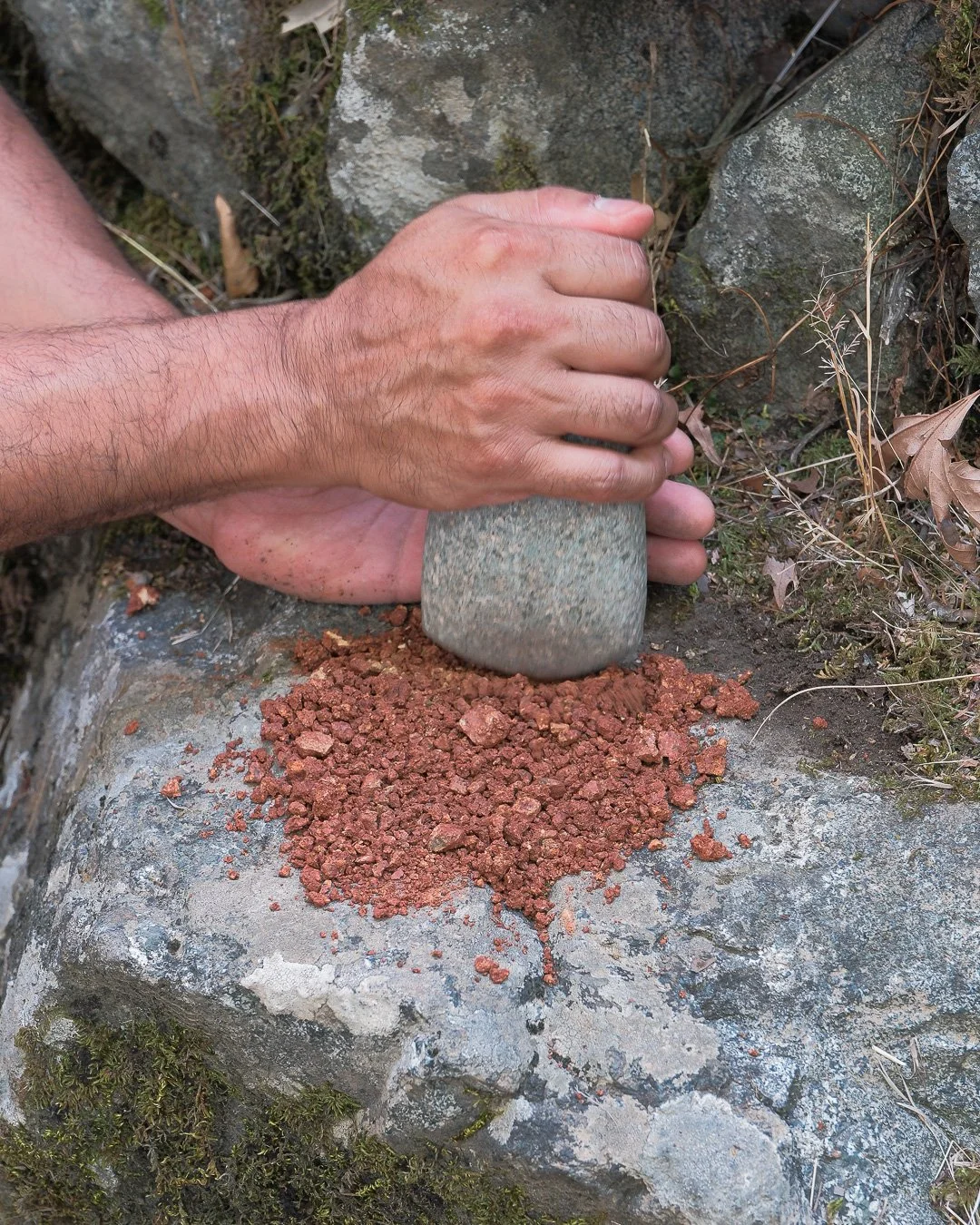
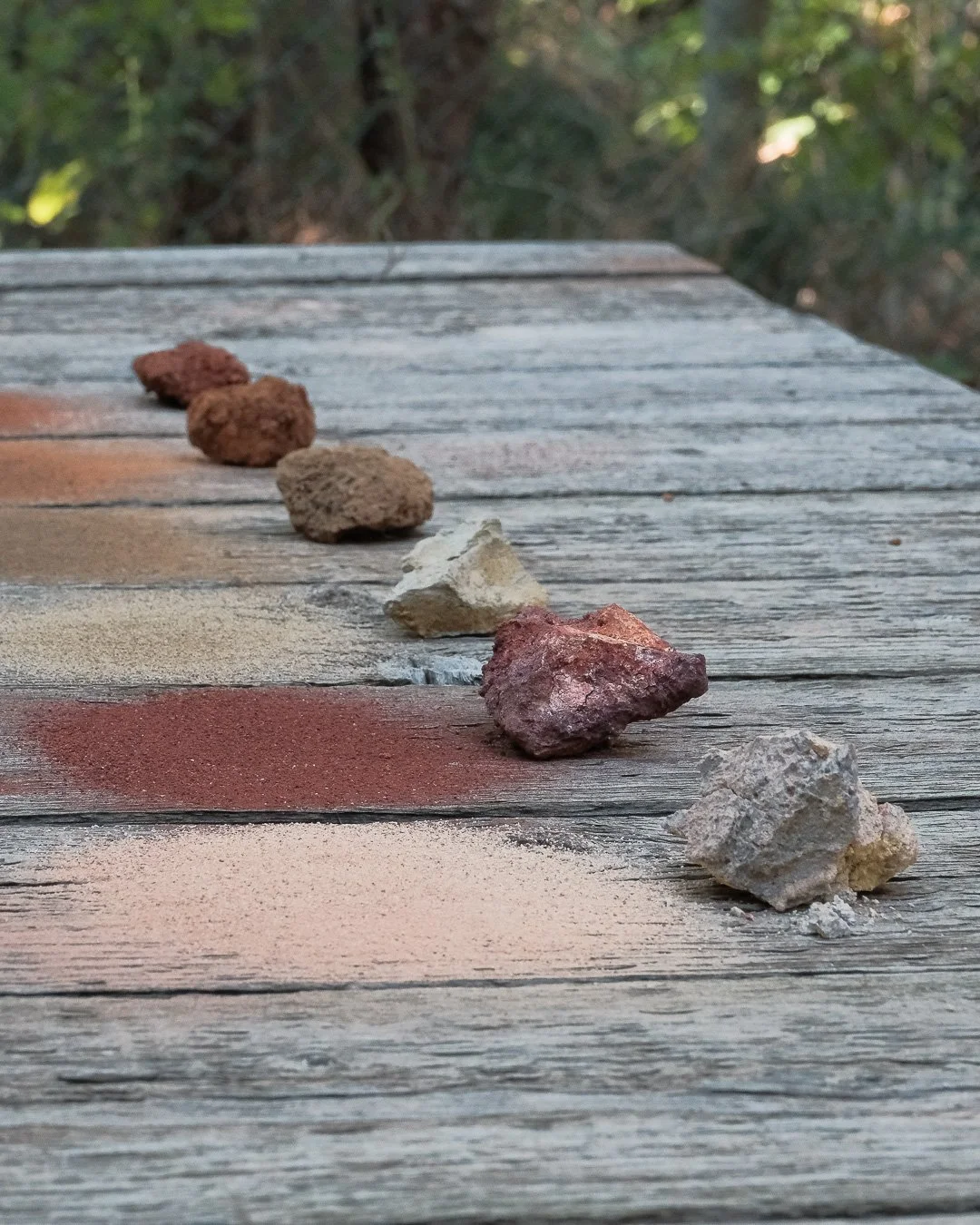
Wild Materiality | Local clay, and aggregates are gathered and processed on site, allowing us to work directly with materials in their original context.
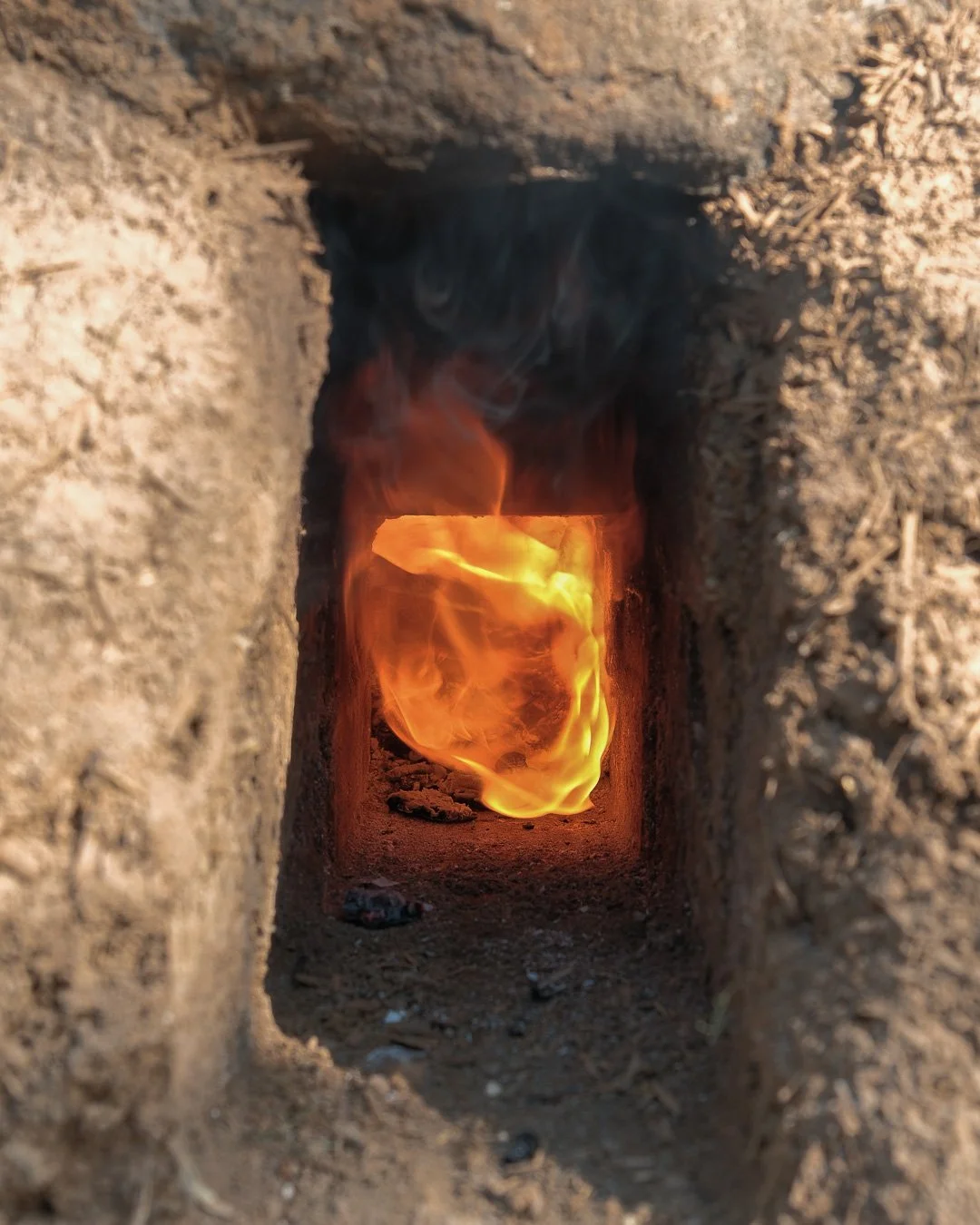
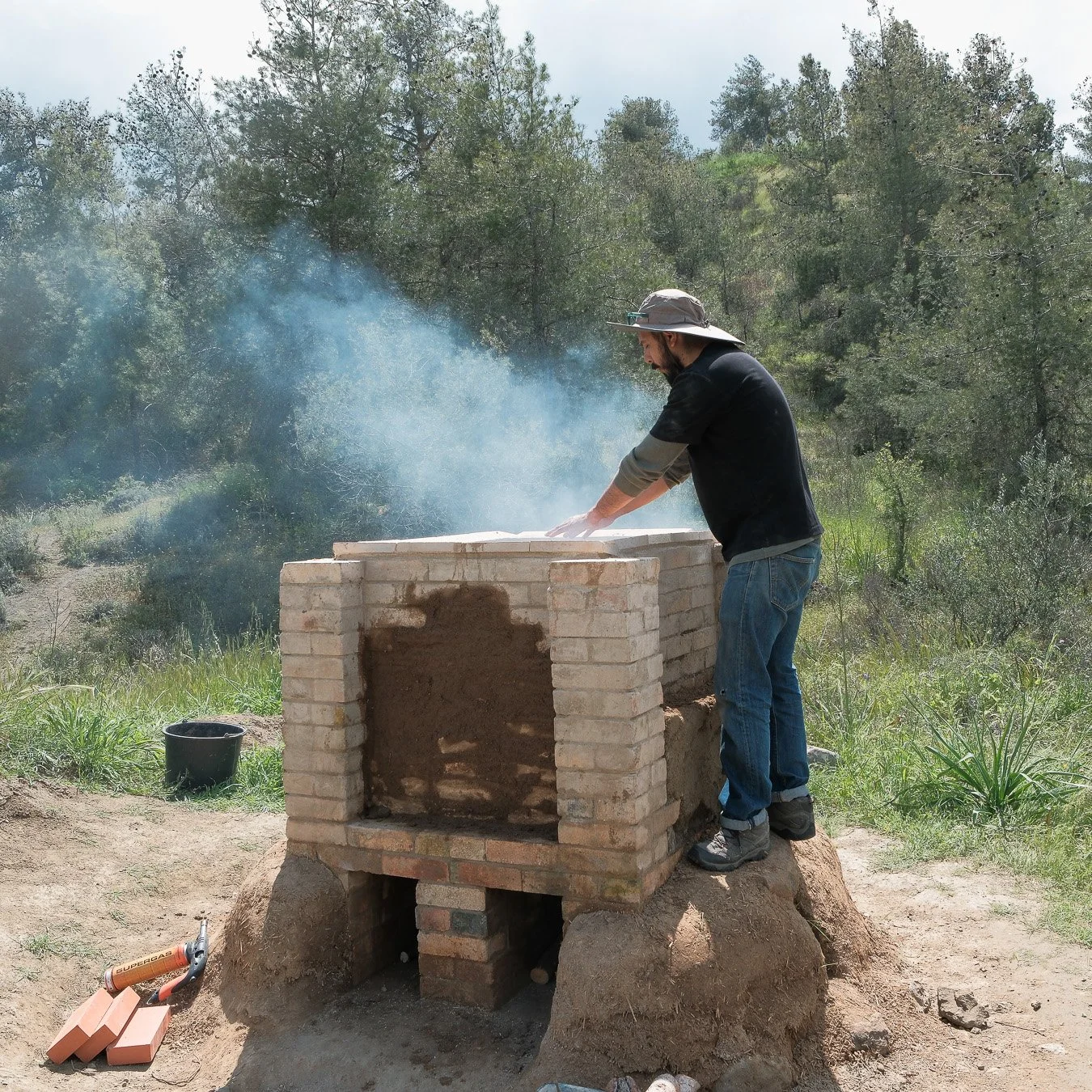
Experimental Firing | We explore how heat moves through a wood-fired kiln and how different materials respond to changes in temperature and atmosphere.
The Living Archive | We document the materials, processes, tests, and results, creating a record of what we learn from the landscape.
Theory in Practice | Practical making is accompanied by conversations about ecology, heritage, material knowledge, and the relationship between humans and their environments.
Shared Stewardship | The small-group format creates space for focused work, exchange, and a shared responsibility towards the materials and territory we are working with.
No prior ceramic experience required.
Programme
Weekend 1
Sat 14 · 10:00–14:00
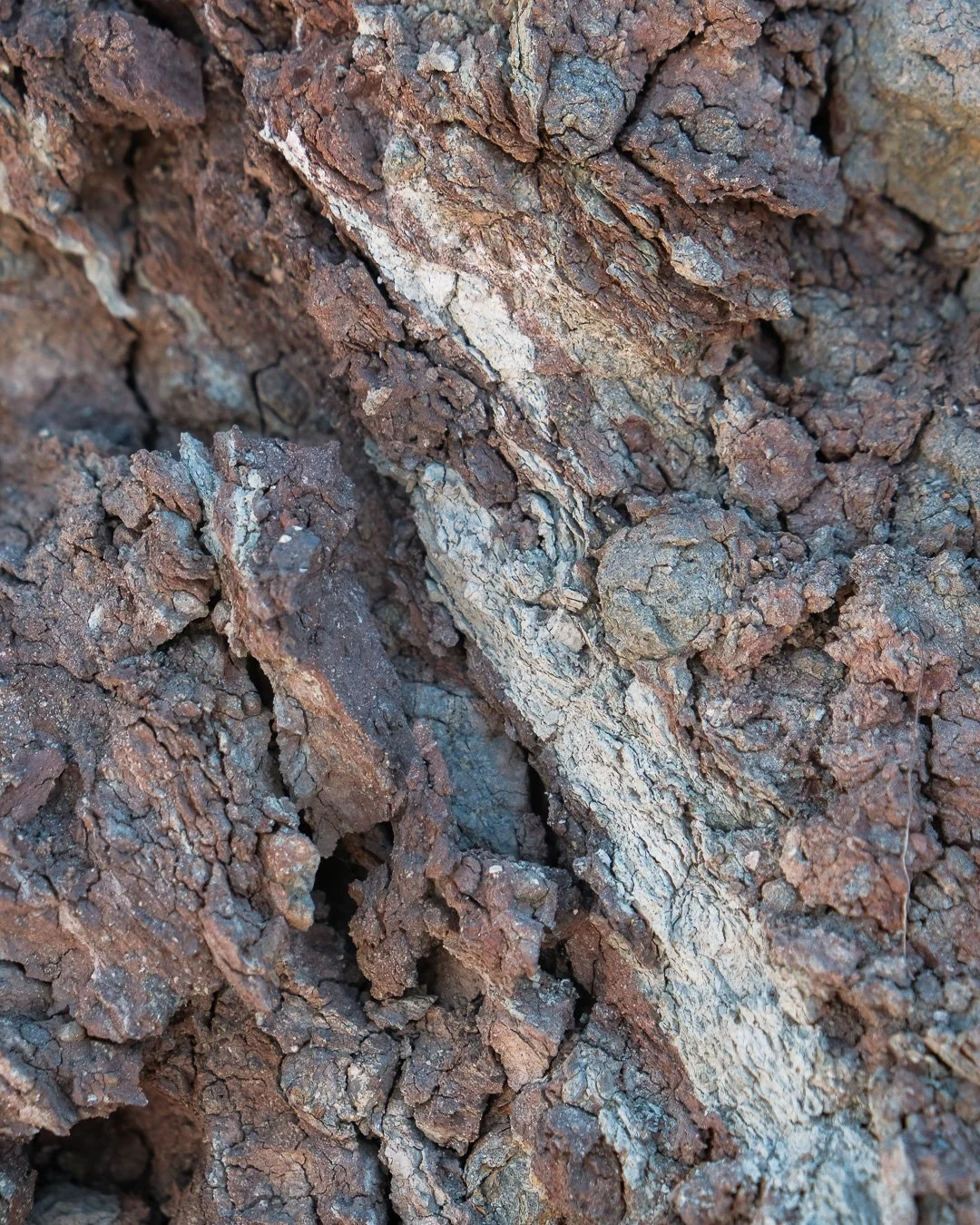
Walk & Map | Walking through the landscape, identifying potential clay sources, and reading the territory through its geological and ecological layers.
Sun 15 · 10:00–14:00
Process & Shape | Processing the wild clay gathered on site, testing its qualities, and shaping test pieces in response to how the material behaves.
Weekend 2
Sat 21 · 10:00–14:00
Transformation | Firing the samples made during the first weekend and observing how the clay changes through heat and different kiln conditions.
Sun 22 · 10:00–14:00
Reveal & Archive | Opening the kiln, examining the results, comparing the different tests, and building the Living Archive recording the various processes.
Artist Bio
Alejandro Villacis is a researcher, artisan, and educator specialising in ceramics and natural building. Working from a craft-based perspective, his practice combines hands-on making with material research, focusing on the study, testing, and application of locally sourced earth materials, including extensive work with wild clay. Through ceramic practice and earth construction techniques, he translates this research into built applications, linking traditional craft knowledge with contemporary making.